
Why a 60 Page Inspection Report Might Be Better Than a 6 Page One


There is a very specific moment in every real estate transaction that makes perfectly reasonable adults spiral. It is not the offer.It is not the appraisal. It is the home inspection report.
The email comes in. You open the PDF. It says 52 pages. Your stomach drops. You start scrolling. There are pictures. Arrows. Circles. Words like “recommend further evaluation.” Suddenly you are mentally budgeting for a full reconstruction and wondering if the house is slowly sinking into the Boise foothills.
Let’s all take a breath.

A long inspection report is normal. In fact, most good inspectors are incredibly detailed. They document everything. Loose outlet cover. Worn weather stripping. A tiny crack in exterior caulking. A GFCI outlet that needs replacing. A handrail that is slightly loose. That does not mean the home is falling apart. It means the inspector is doing their job thoroughly.
What actually causes deals to blow up is not the length of the report. It is how people react to it.
Here is something most buyers and sellers do not realize. A short report can actually be more concerning than a long one. If an inspection report is six pages and half of it discusses foundation movement, active water intrusion, roof failure, or major electrical hazards, that is not “clean.” That is concentrated. That is when real decisions need to be made.
A 60 page report full of small maintenance items is usually just that. Maintenance. Every home has it. Even brand new construction has a list. Homes are complex systems. They expand. They settle. They age. They need upkeep.

Where things start to wobble is what we call the nickel and dime trap. The buyer sees 32 items and thinks something must be terribly wrong. The seller sees a repair request and feels like their home is being attacked. Suddenly we are negotiating over a squeaky hinge like it is a federal case. We have seen perfectly good transactions get tense over things that cost less than a dinner in downtown Boise.
The inspection period is not supposed to be a scavenger hunt for leverage. It is a risk evaluation window. That is it. The goal is to identify health and safety concerns, structural or major mechanical issues, and systems that are near the end of their life. Everything else falls into the category of normal homeownership.
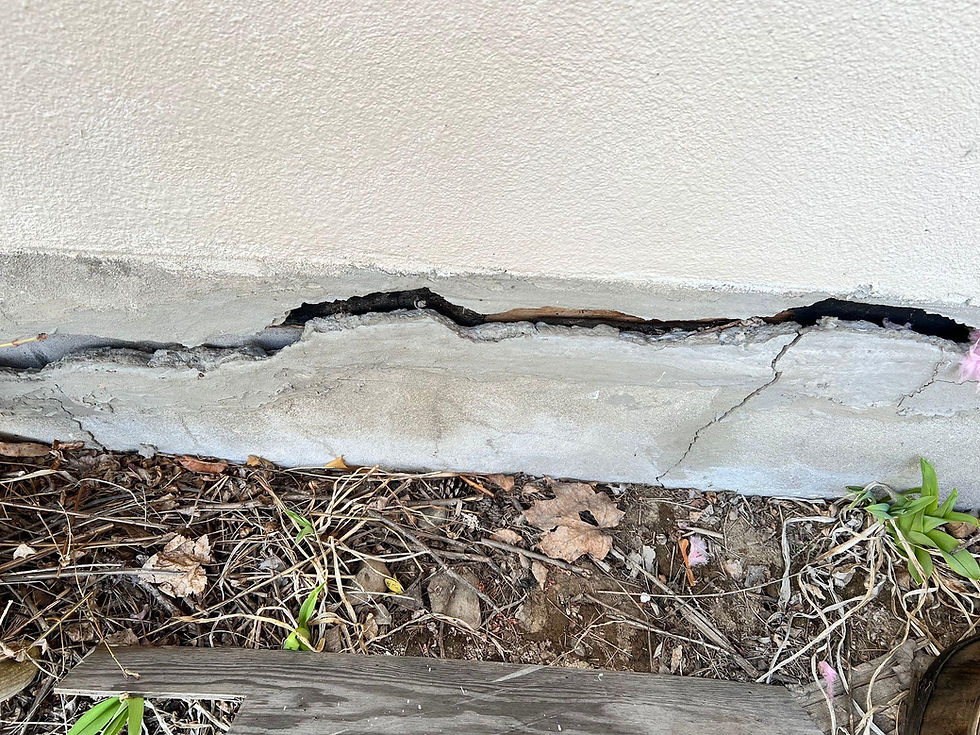
At Boise’s Best Real Estate, this is where experience really matters. Our job is not to pour gasoline on the situation. Our job is to bring clarity and calm. We help buyers separate cosmetic maintenance from true red flags. We help sellers understand what is reasonable and what is simply part of owning a home. We guide both sides toward proportional solutions. Sometimes that means negotiating a credit. Sometimes it means requesting specific repairs. And sometimes it means advising a client to walk away because the issue is bigger than it first appeared. We are not here to force a deal across the finish line. We are here to protect you from making a decision you regret.
In the Boise, Meridian, Eagle, and Kuna markets, we have seen patterns. We know what inspectors routinely flag in 1990s builds. We know what shows up in crawl spaces in older homes. We know what is typical and what deserves a second opinion. That context changes everything.
An inspection report is not a verdict. It is information. When handled properly, it gives you leverage, clarity, and confidence. When handled emotionally, it creates fear and friction. So the next time you see a 50 page inspection report, do not panic. Length does not equal disaster. Look at severity. Look at cost. Look at risk. And most importantly, do not evaluate it alone.
If you are buying or selling in the Boise area and want steady guidance through one of the most critical parts of the transaction, we are here for that part too. Not just the exciting parts like listing day and closing photos.
The inspection phase is where deals either mature or unravel. We prefer mature.


Comments